Published on June 24, 2026 · 5 min read
Updated June 11, 2026 | Originally published April 15, 2026
When it comes to managing your money, choosing between a chequing vs savings account isn’t about finding the “better” account—it’s about using the right tool for the job.
From our sponsor
-YS2E1V5zsVvJnoAtXQiL0jjcELgptM.png&w=1920&q=75)

Most Canadians benefit from having both because each account solves a completely different financial problem. Here is everything you need to know about how they work, how to split your cash, and how to stop paying a premium just to access your own money.
What is a chequing account?
Your chequing account is your financial transit hub — the place your money lands and moves out from. It’s designed specifically for daily transactional volume: income in, expenses out, repeat.
A typical chequing account handles:
- Income deposits: Payroll direct deposit and government payments
- Daily spending: Debit card purchases for groceries, coffee, or online shopping
- Bill payments: Pre-authorized debits for rent, utilities, and credit cards
- Moving money: Sending and receiving Interac e-Transfer payments
As Tim Morris, Chief Banking Officer at Neo Financial, explains: “Chequing accounts are focused on facilitating transactions. They tend to offer lower interest rates because the Canadian payment system makes it very costly to send and receive money.”
That cost gets passed to you — through near-zero interest on your balance and monthly maintenance fees that can run from $4 to over $17 at traditional banks unless you park a minimum balance to waive them. Switching to a no-fee chequing account can save you upwards of $150 a year instantly.
What is a savings account in Canada?
If chequing is a transit hub, your savings account is a secure parking garage built to hold money you don’t need today and let it grow quietly over time.
The trade-off is straightforward: You earn interest on your balance, but you give up transaction freedom. Direct debit purchases or bill payments from a legacy savings account typically trigger steep per-transaction fees. Savings accounts aren’t meant to be spent from—they’re meant to compound your money.
There’s a real psychological benefit to that separation. When your daily spending money and your house down payment sit in the same account, the boundaries blur and savings tend to disappear. Morris puts it plainly: “Having a dedicated place to keep their money safe, to allow it to grow, is actually something that many Canadians really like. It’s helping them move towards their goals by separating that money from the one they use for their day-to-day needs.”
To maximize that growth, don’t settle for the 0.05% interest rates at legacy institutions. Instead, look into a high-interest savings (HISA) account like Neo Savings.
What Is a high-interest savings account (HISA)?
A high-interest savings account or HISA pays significantly higher interest than a standard savings account—often many times the rate offered by legacy banks. It keeps your cash liquid while growing passively over time. Learn more about what a HISA is.
Comparison: Chequing vs. savings accounts
Which account should you use?
Optimizing your cash flow shouldn’t take hours of math. You can automate your architecture using a simple bucket strategy:
Use your chequing account for fixed expenses
Your chequing account balance should cover your monthly fixed expenses—think rent or mortgage, utilities, insurance, groceries, transportation—plus a small buffer to avoid non-sufficient funds (NSF) fees. These fees can cost up to $10 at major banks, but with the Neo Chequing account, you pay $0.
Everything beyond that buffer is better off in a savings account where it earns interest instead of sitting idle.
Be careful with your buffer at traditional banks. While NSF fees have been capped at $10 as of March 2026 (down from a staggering $45 to $48 average), you’ll still want to make sure your payments clear smoothly. Even a smaller fee is money left on the table.
Use your savings account for emergency funds & goals
Anything beyond your monthly operational buffer belongs in a dedicated savings space. Start by building an emergency fund covering three to six months of essential living expenses. That money stays liquid enough to transfer into your chequing account within a business day if something goes wrong, but it sits apart from your spending so you’re less likely to drain it on impulse purchases. Discover the best high-yield savings accounts in Canada to help grow your money.
Once your emergency baseline is secure, you can explore the different types of savings accounts in Canada to segment your other short-term targets. If you’re saving for a vacation, a wedding or a tax payment, you can set up a dedicated savings account for each bucket.
Want to see how fast those savings can add up? You can easily calculate interest on a savings account using your target balance and current market yields.
Spend smarter
Start with Neo. The Neo Chequing account has no monthly fees—and if you want your everyday spending to earn more, you can add the Neo Money card for 1%¹ cashback on purchases.
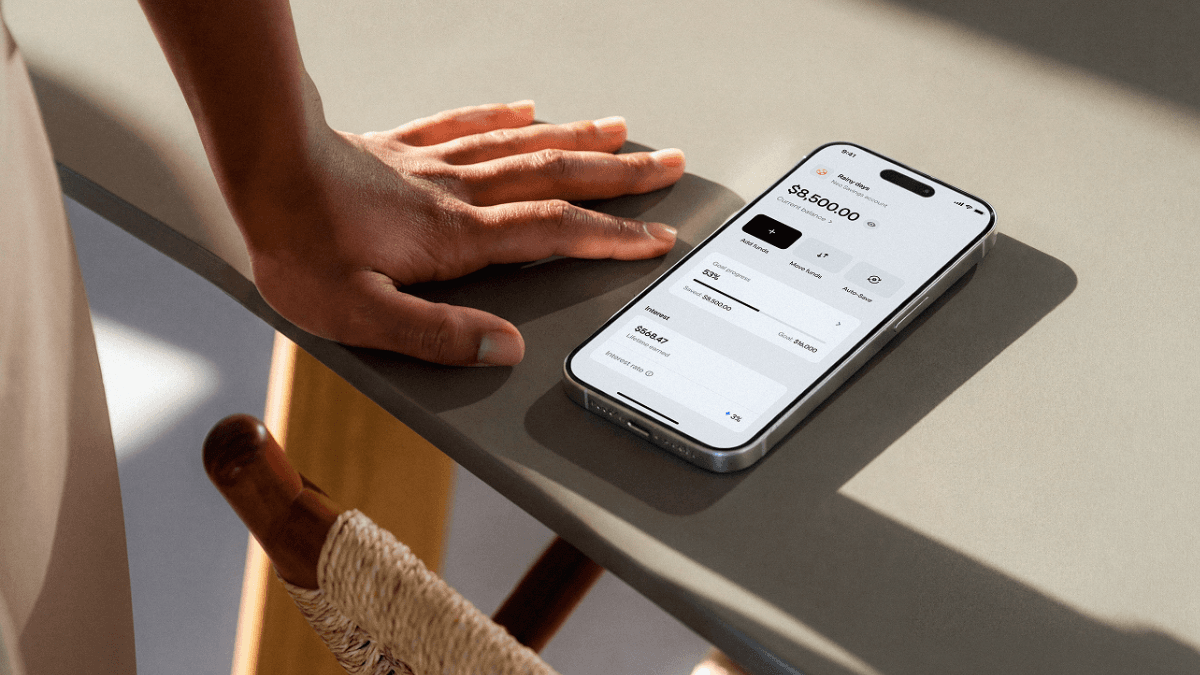
Want your savings working harder too? Pair it with a Neo Savings account for up to 2.75%² earnings on money you aren’t spending. As your balance grows, so does your interest rate.
Frequently asked questions
What is the difference between a chequing and savings account in Canada?
The primary difference is that a chequing account is designed for daily transactions like debit purchases, bill payments, and e-transfers, while a savings account is meant for storing and growing money over time. Chequing accounts rarely pay interest and offer high transaction limits, while savings accounts pay interest but usually limit daily transactional access.
Can I use a savings account for everyday spending?
At traditional banks, savings accounts charge per-transaction fees and lack debit card access, making everyday spending costly and impractical. But several modern digital accounts now combine high interest rates with unlimited transactions and no monthly fees. If everyday flexibility matters to you, consider looking for accounts that explicitly offer both.
Do chequing accounts earn interest in Canada?
Standard chequing accounts at Canada’s major banks earn zero or near-zero interest, often as little as 0.01%. To grow your money through interest, move your balance into a dedicated savings account or HISA where your cash can compound over time.
If you want your everyday spending to work harder, the prepaid Neo Money card—which you can add to your Neo Chequing account—earns 1%¹ cashback on purchases.
Should I have both a chequing and savings account?
Keeping a chequing and savings account separate can make day-to-day money management easier. Having a dedicated spending account reduces the risk of dipping into savings unintentionally, and a separate savings account or HISA means your longer-term money is actively earning interest rather than sitting idle. Whether one account or two works best depends on your own financial habits and goals.

Julien Brault
Julien Brault is a fintech entrepreneur and personal finance expert dedicated to making financial literacy accessible to all Canadians. As the founder of MooseMoney, he currently focuses on helping individuals navigate financial struggles through actionable advice and financial calculators.
Related Posts
View All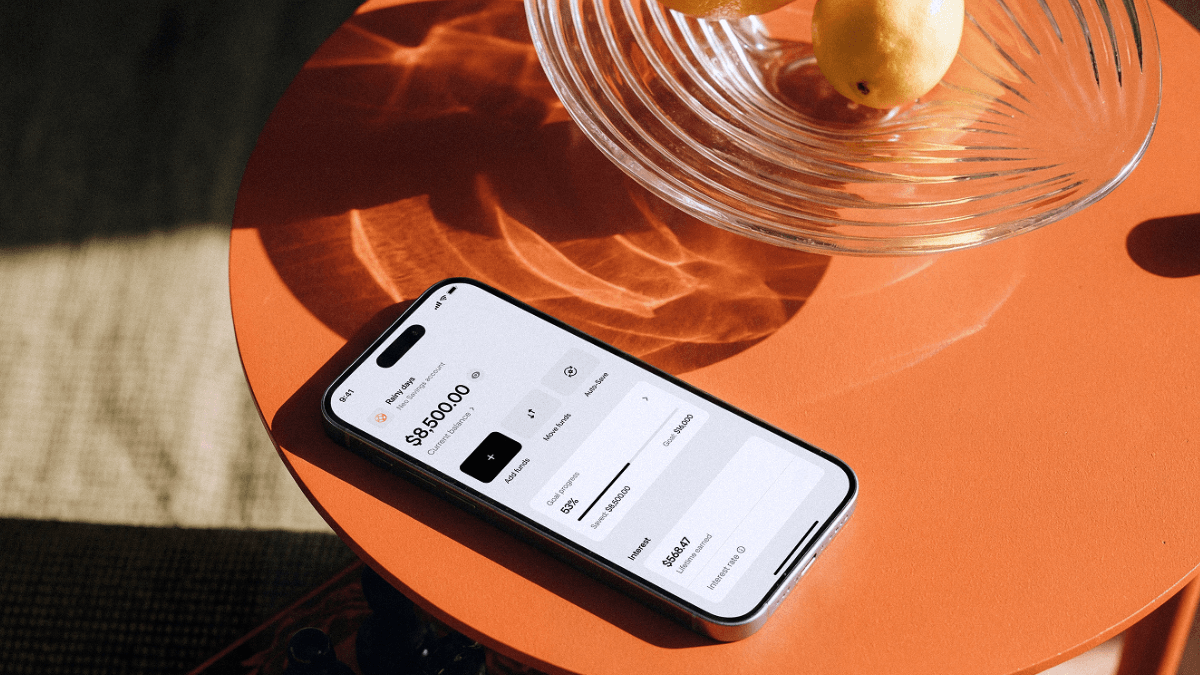
The best high-interest savings accounts (HISAs) in Canada for 2026
Most savings accounts lead with their biggest rate. We break down what you actually earn after the promotional window closes.

Best HISA ETFs in Canada for 2026: Top options compared
HISA ETFs let you earn interest on idle cash inside your brokerage account, but they're not right for everyone. Here's what to know before you buy.

Should I open a high-interest savings account?
Not sure if a HISA is right for you? Here's how to tell, and what to look for before you open one.